
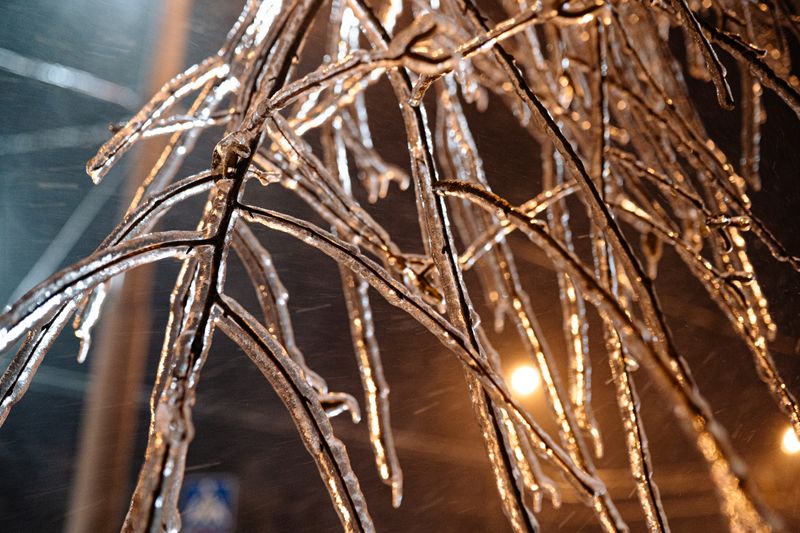
The 1998 Eastern Ontario Ice Storm remains the most destructive natural disaster in Canadian history by economic damage — over $5 billion and 4 million people without power for up to 4 weeks. Ontario has experienced multiple significant ice storms since, including the December 2013 event that left 300,000 GTA households without power through Christmas. Ice storms are a fact of life in Ontario, and they disproportionately impact rural homeowners on overhead distribution lines.
This checklist covers everything you need to prepare for, survive, and recover from a major winter outage in Ontario.
Before the Storm: What to Do When a Warning Is Issued
The Ontario Government's emergency preparedness guidelines recommend a minimum 72-hour household emergency kit. For winter outages specifically, take these actions when an ice storm watch is issued:
Power and Heating
- Fill your generator with fresh fuel and test-start it
- If you have a dual-fuel portable generator, confirm propane level or buy extra
- Charge all battery banks, phones, laptops, and portable power stations
- Note the location of your electrical panel and how to safely disconnect major appliances
- If you have a gas fireplace or wood stove, confirm it's operational and you have adequate fuel/wood
Water Supply
- Fill bathtubs with water for toilet flushing (one fill = 150L, multiple flushes)
- Fill water containers for drinking — 4L per person per day, 3-day minimum
- Know where your main water shut-off valve is (typically in the basement near the water meter or well pressure tank)
- If on a well: confirm you have enough water for cooking and drinking before power goes out, since your pump will stop working
Food
- Set your freezer to its coldest setting — frozen food lasts longer if it starts at a lower temperature
- Cook perishables now (chicken, fresh meat) so they're safe to eat without refrigeration for 1-2 days
- Know which shelf-stable foods you have and plan meals around them
- Fill a cooler with ice for the first 24–48 hours
During the Outage: Key Safety Rules
Carbon Monoxide: The Silent Killer
More Ontario residents die from CO poisoning after ice storms than from hypothermia. Health Canada's carbon monoxide guidelines are unambiguous: never operate any gasoline, propane, or charcoal-burning device inside your home or attached garage. This includes:
- Portable generators (must be 6+ metres from any opening)
- Barbecue grills used for cooking or heating
- Propane camping stoves (ventilation is insufficient indoors)
- Kerosene or propane space heaters not specifically designed and rated for indoor use
Ensure all CO detectors have working batteries. Replace CO detector batteries annually.
Keeping the Home Warm Without Full Power
- Close doors to unused rooms and concentrate living in one or two rooms
- Block drafts with towels at door thresholds
- Layer clothing — sleeping bags rated to -10°C are more effective than blankets
- If temperature inside approaches 5°C: open cabinet doors under all sinks, let cold-water taps drip slightly, and prepare to shut the main water valve
Food Safety During Outages
The core rule: keep refrigerator/freezer doors closed as much as possible. A closed fridge maintains safe temperatures (below 4°C) for approximately 4 hours. A full freezer holds safe temperature for 48 hours. In an Ontario winter outage, placing refrigerated items outdoors (between 0°C and 4°C) is a practical option. Avoid placing food directly on the ground or in a vehicle trunk where temperature fluctuates.
Backup Heating Options for Ontario Homes
Heating is the number-one concern for Ontario winter outages. Options by property type:
- Generator-backed gas furnace: Most effective solution. A 5,500W+ generator powers the furnace blower, thermostat, and controls. See our portable generator guide for sizing and product recommendations.
- Wood stove or fireplace insert: The most resilient option — completely independent of any fuel supply or electricity. If you have or can add a wood stove, it's the gold standard for Ontario outage heating.
- Gas fireplace (standing pilot): Many Ontario gas fireplaces with standing pilot lights operate without electricity. Provides substantial heat output (15,000–35,000 BTU) for the main living area.
- Propane torpedo heaters (vented only): Designed for large well-ventilated spaces. NOT appropriate for sleeping or occupied rooms without significant ventilation.
After the Outage: Recovery Checklist
- Before restoring power, unplug major appliances (reduces surge load on distribution transformer restoration)
- Discard any refrigerated food that was above 4°C for more than 2 hours
- Run cold water for 1–2 minutes before drinking (to flush pipes) if the home got very cold
- Inspect for frozen/burst pipes before turning heat back up quickly (slow warming reduces damage)
- Refuel and re-service your generator while the experience is fresh — replace oil if it ran for more than 50 hours
- Restock water, food, and batteries now, not when the next storm warning arrives
For a complete guide to backup power options that covers generators, solar generators, and whole-house batteries, see our Ontario home backup power overview. If you're evaluating a whole-house battery system as a longer-term solution, our Tesla Powerwall vs Enphase guide covers the Ontario-specific costs and considerations.
Frequently Asked Questions
Related Resources
- Emergency preparedness guides and survival tips Power is one piece — see the full preparedness picture.
How long can an Ontario home stay warm without power in winter?
A well-insulated Ontario home (built to 2012+ code standards) loses roughly 1–2°C per hour in -10°C outdoor temperatures with no heating. An older, less-insulated home may lose 3–5°C per hour. A home starting at 21°C will typically reach 10°C (safe minimum) in 6–12 hours without any heat source. Closing interior doors to a single room and using sleeping bags can extend habitability significantly.
How do I prevent frozen pipes during an Ontario power outage?
If the home will drop below 5°C: open cabinet doors under sinks to allow warmer air to reach pipes; let faucets drip slightly to keep water moving; shut off the main water valve and drain the system if you plan to leave the property; insulate exposed pipes in unheated spaces. Pipes in exterior walls, garages, and crawl spaces are most vulnerable in Ontario winters.
What should I do with food in my fridge during a power outage?
A closed refrigerator keeps food safe for 4 hours. A full freezer holds safe temperature for 48 hours (24 hours if half-full). Keep doors closed. In winter, Ontario temperatures often allow placing food outdoors or in a garage (between 0°C and 4°C is ideal). The Health Canada guideline is to discard any refrigerated food that has been above 4°C for more than 2 hours.
Is it safe to use a gas fireplace or wood stove during a power outage?
Yes — both gas fireplaces (if they have a standing pilot light or battery ignition) and wood stoves are safe heat sources during power outages, provided they are properly maintained and have functioning chimneys. Do not use propane or charcoal heaters designed for outdoor use indoors — they produce carbon monoxide. Ensure you have working CO detectors with battery backup in any home where combustion heating is used.
Recommended Products
Get weekly guides from EmergencyEnergy
No spam. Unsubscribe anytime.