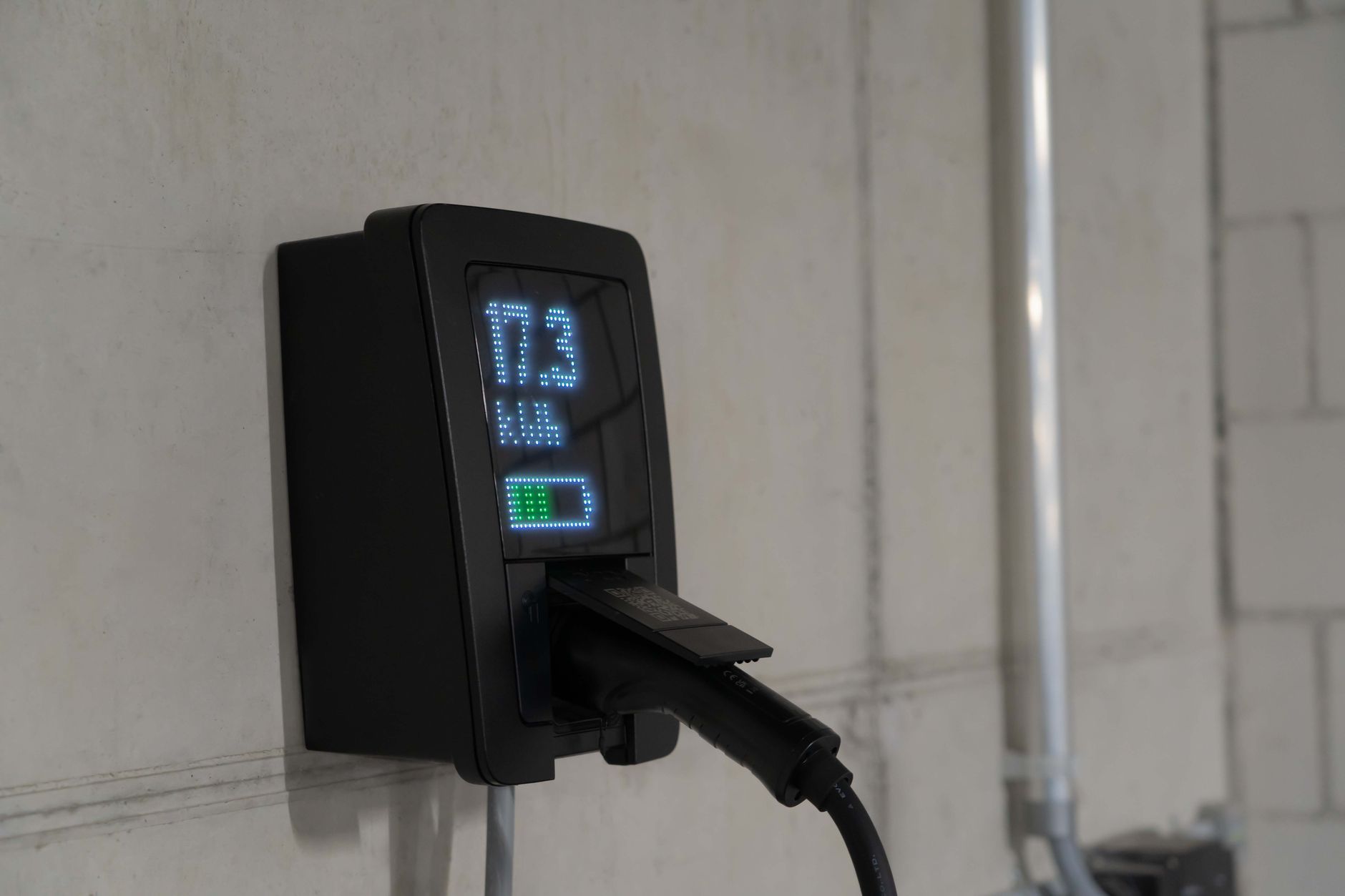
Ontario homeowners have watched winter storms knock out power for hours or even days. The 2013 ice storm alone left more than 600,000 customers without electricity, some for over a week. An electric vehicle parked in the driveway holds a large battery that could run your fridge, lights, internet, and gas furnace blower. The catch is that a standard Level 2 charger only sends power into the car. To run your home, you need a bidirectional charger and the right electrical isolation equipment. That equipment must be certified and installed by a licensed electrician. This is not a plug-and-play adapter solution. Vehicle-to-home backup, or V2H, is the technology that makes this possible.
Vehicle-to-home backup is not a simple extension cord trick. It requires certified hardware, a transfer switch or automatic isolation device, and an electrical permit from the Electrical Safety Authority. The EV and charger communicate constantly so that the battery exports power only when the grid is safely disconnected. In Ontario, the same rules that apply to whole-home batteries and standby generators also apply to V2H installations. That means you need a licensed electrical contractor for the final connection. A homeowner can plan the system and buy equipment, but the wiring must be inspected. This article walks through the key steps and costs.
The guide is written for homeowners who want a practical plan, not a lab experiment. You will learn how bidirectional charging works, what equipment Ontario requires, which vehicles support it, how long an EV battery can realistically power essential loads, and what a full installation might cost. Always use listed equipment and a licensed electrician for any connection to your home’s wiring. If you are unfamiliar with backup power terms, this article explains them in plain language. The goal is to help you decide whether V2H fits your home and your outage risk. For most Ontarians, it is a viable option if you already own a compatible EV and want battery backup without buying a separate wall battery.
How Does EV Home Backup Power Work?
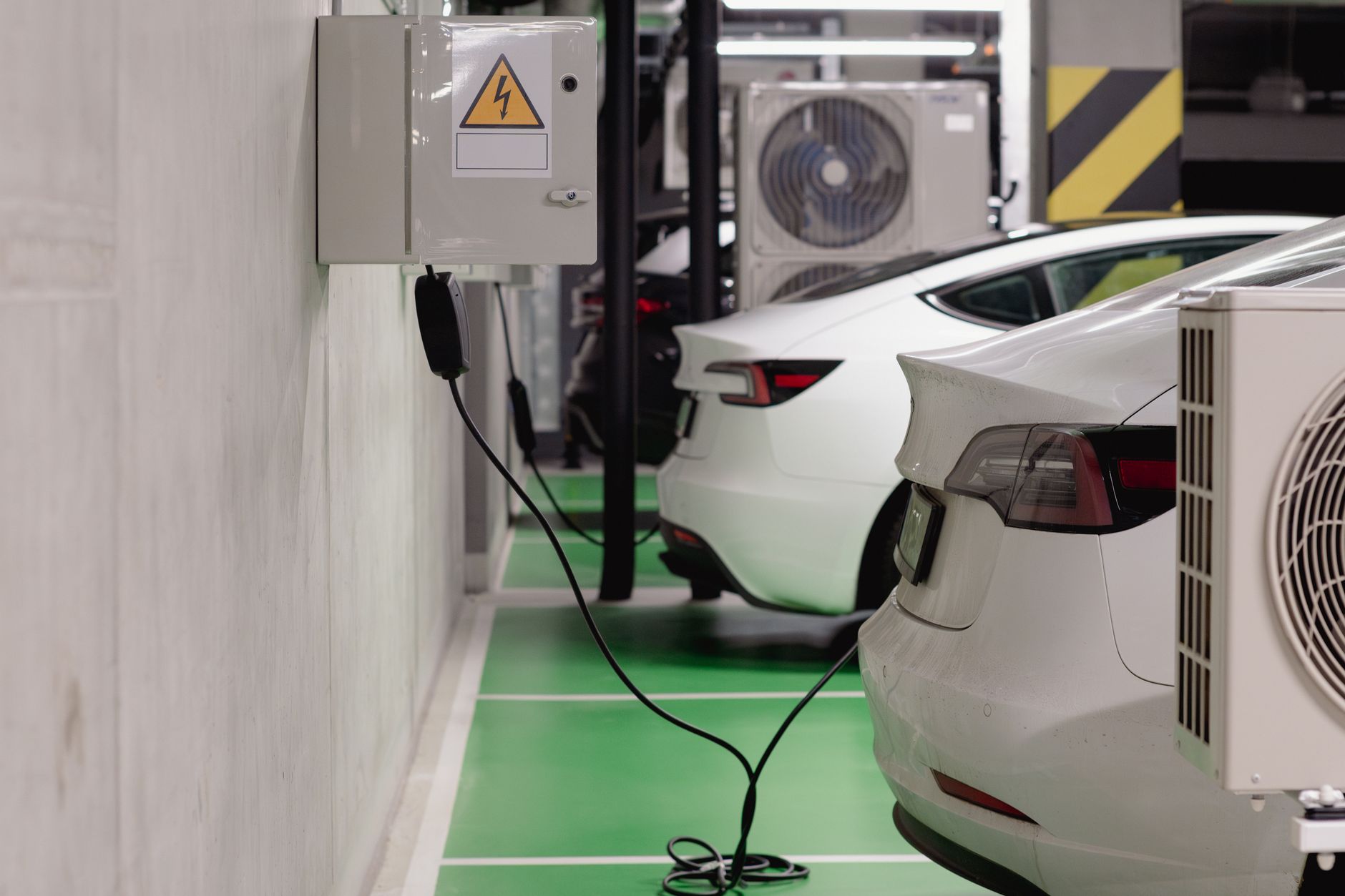
Most EVs charge by converting grid alternating current (AC) into direct current (DC) inside the car. A bidirectional charger reverses part of that flow. It takes DC from the EV battery, converts it back to AC, and sends it to your home through a dedicated circuit. The vehicle and charger communicate digitally so the car knows when it is safe to export power. This is different from a generator, portable power station, or backup power system.
Vehicle-to-load, or V2L, is a simpler feature on some Hyundai and Kia models. V2L provides a 120-volt outlet in the car or on an adapter, enough for a kettle or a laptop, but it cannot feed a breaker panel safely. Full V2H systems can deliver 7 to 9.6 kilowatts, enough for a fridge, furnace blower, sump pump, and several lighting circuits at the same time. A typical Level 2 charger draws 7.2 kilowatts, while bidirectional units often output 9.6 kilowatts. Hardware for energy export must be certified to CSA Group standards, including CSA C22.2 No. 343-20 or UL 9741.
When the grid fails, an automatic transfer switch or microgrid interconnection device isolates your home from the utility. This prevents backfeeding, which could injure line workers and damage your equipment. Your EV inverter then forms a local microgrid for the circuits you selected. If you already have a whole-home battery, V2H can operate alongside it.
What Equipment Do You Need in Ontario?
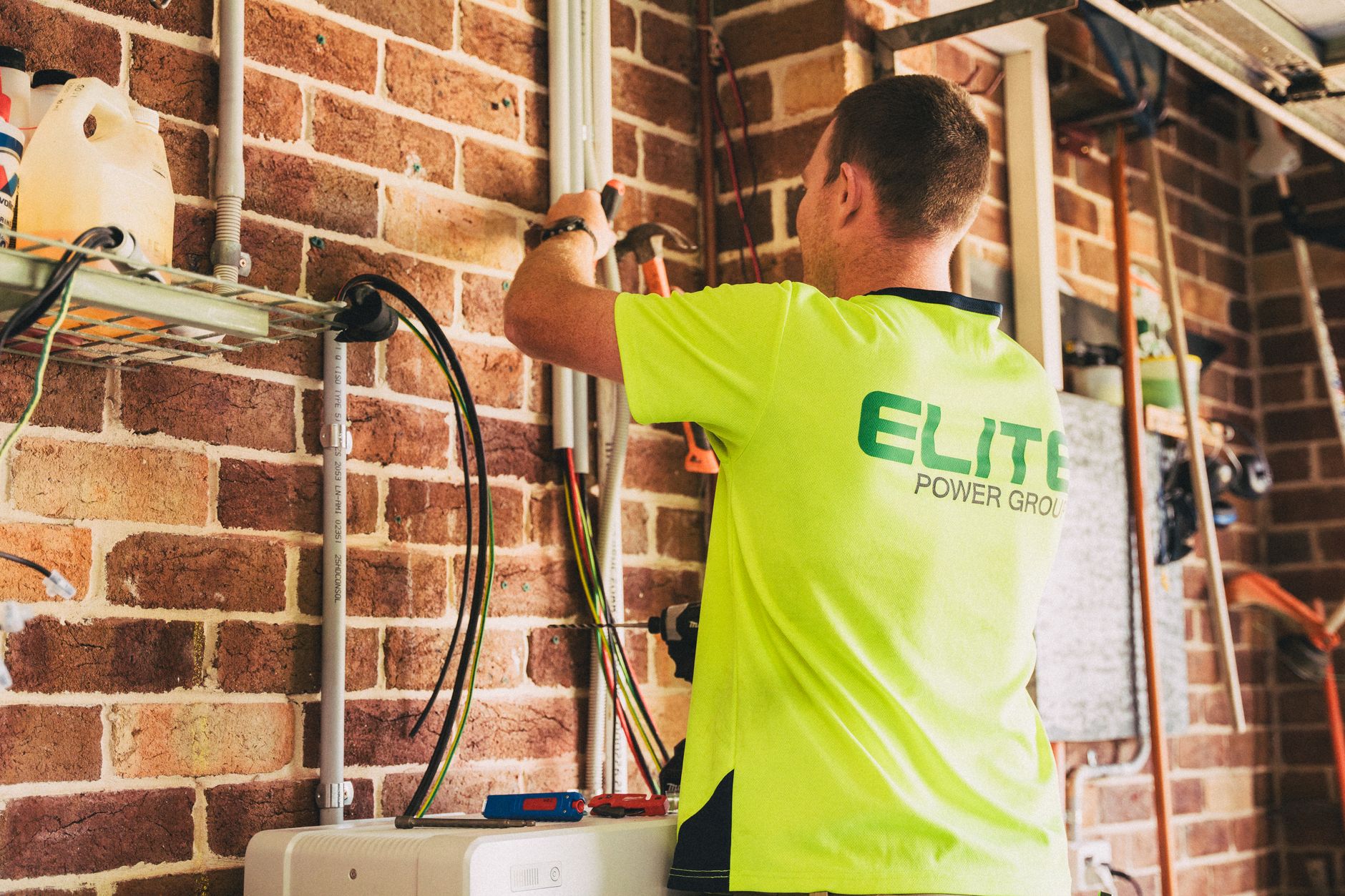
A full V2H setup has four main components. First, a bidirectional EV charger or inverter. Second, a transfer switch or microgrid interconnection device that physically separates your house from the grid. Third, a critical loads panel, or a smart splitter, that serves only the circuits you choose. Fourth, a certified battery management link between the EV and the inverter. In Ontario, this work requires an electrical permit. The Electrical Safety Authority is the body responsible for inspections.
Two examples of bidirectional chargers are the Wallbox Quasar 2 and the Ford Charge Station Pro. Check the Wallbox Quasar 2 on Amazon. Check the Ford Charge Station Pro on Amazon. Neither is a plug-and-play appliance. A licensed electrician must size the wire, install the commissioned transfer equipment, and complete the ESA notification. The same process applies when adding whole-house battery backup.
The critical loads panel is not the same as a generator inlet. A generator inlet uses a mechanical interlock. V2H systems use an automatic transfer switch with anti-islanding protection. If you have experience sizing a standby generator, many of the load calculations transfer directly. Review how to size a generator for your home before choosing which circuits to back up.
Is Vehicle-to-Home Legal and Safe in Ontario?
Yes, V2H is legal in Ontario when the equipment is certified and the installation passes an ESA inspection. The Ontario Electrical Safety Code adopts Canadian Electrical Code requirements for energy storage and power production. Any inverter that can export power must disconnect automatically during an outage unless it is designed for islanding. That means a conventional grid-tied solar inverter is not enough. You need a hybrid or dedicated V2H inverter listed for continuous backup use.
Safety risks are serious. Backfeeding the grid can electrocute utility workers. A poorly installed transfer switch can create a double-ended feed that overloads conductors. That is why the ESA requires a licensed electrical contracting business for this work. A homeowner can still plan the project, buy equipment, and arrange the permit, but the final connection must be done by a professional. The Electrical Safety Authority lists approved contractors and inspection schedules.
Carbon monoxide is not the same risk as a portable generator, because an EV produces no exhaust while exporting power. But lithium-ion battery thermal runaway is a real concern if the system is not installed with proper overcurrent protection. Certified hardware from CSA Group addresses this. If you are new to backup power, start with generator safety tips to understand transfer switch fundamentals.
Which EVs Support Bidirectional Charging?
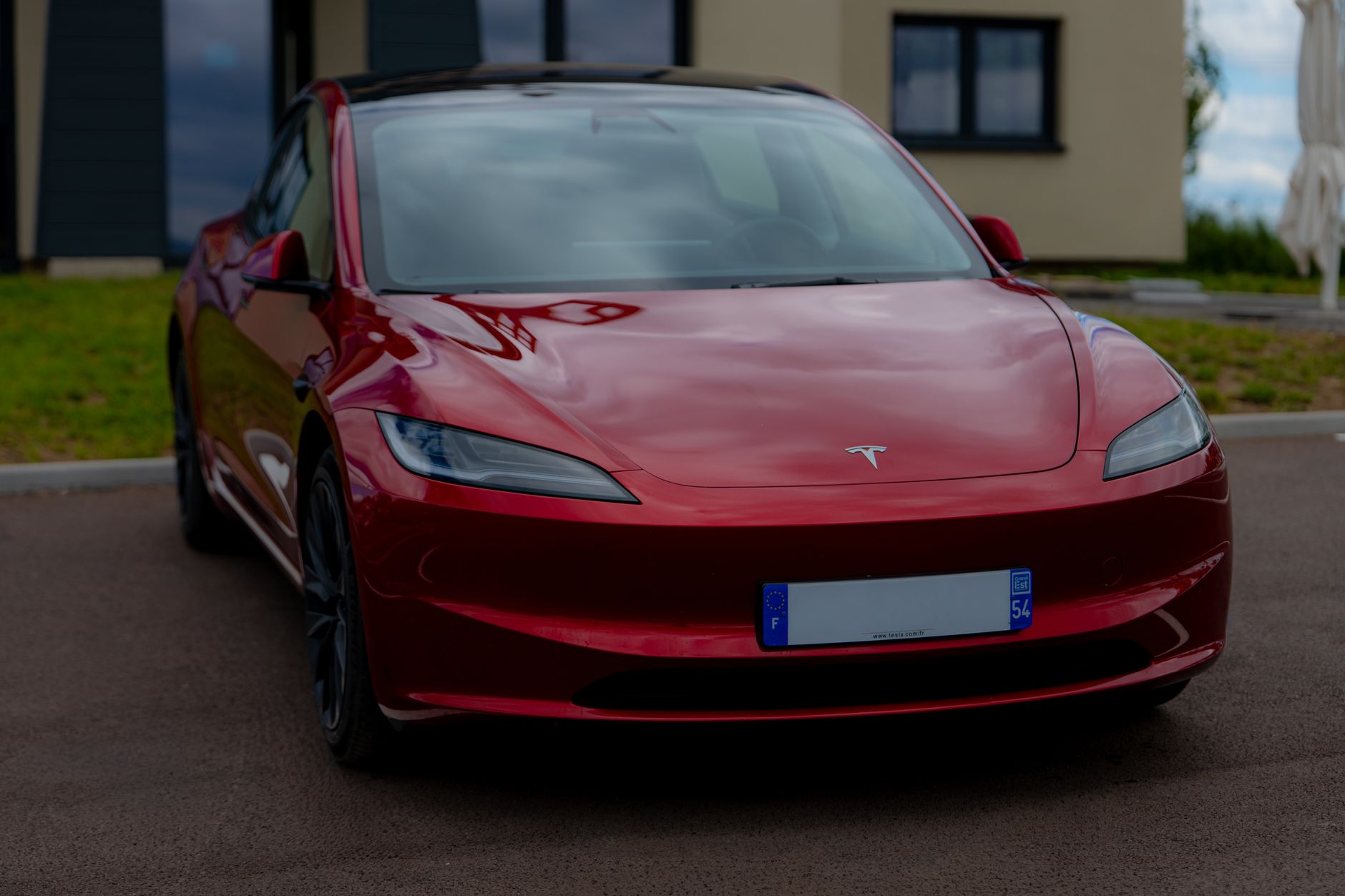
Not every EV can export power. The most common V2H-ready truck today is the Ford F-150 Lightning when paired with the Charge Station Pro. General Motors has launched a GM Energy V2H bundle for several Ultium-platform vehicles. Hyundai and Kia offer vehicle-to-load on the Ioniq 5 and EV6, but that is not full home backup unless you use an approved gateway in some markets.
Older Nissan Leaf models with CHAdeMO had early bidirectional testing, but residential V2H support in Canada has been limited. Always check the owner’s manual and the charger’s compatibility list before buying. This matters because the communication protocol between the car and charger is not universal. A charger that works with one EV may not work with another, even if both use CCS.
If you want a more predictable home system, consider a dedicated home battery such as a Tesla Powerwall or Enphase IQ Battery. They are designed for backup and do not depend on your car being home. But they add cost. For Ontarians who already own a compatible EV, V2H can avoid the need for a separate wall battery.
How Long Can an EV Power Essential Circuits?
The math starts with your daily load. Natural Resources Canada estimates an average Canadian home consumes about 11,000 kilowatt-hours per year, roughly 30 kilowatt-hours per day. But an emergency backup panel does not run the whole house. A fridge uses 1 to 1.5 kilowatt-hours per day. A gas furnace blower uses 0.5 to 0.8 kilowatt-hours per hour when running. A router, phone chargers, LED lights, and a sump pump together may add 1 to 2 kilowatt-hours per day. A 60 kilowatt-hour EV battery can support that essential load for about two days. A 100 kilowatt-hour battery can stretch closer to three or four days.
These numbers assume you do not run air conditioning or electric heat. Air conditioning can draw 3 to 5 kilowatts, which drains a 100 kilowatt-hour battery in under 24 hours. If you have medical equipment like an oxygen concentrator or a CPAP machine, add that load and keep a reserve. Read emergency power for medical equipment before planning.
Outages in Ontario are often winter events. The 2013 ice storm left more than 600,000 customers without power, some for over a week. A week-long outage is beyond most single EV batteries. You would need solar recharging, a second EV, or generator backup.
What Does a V2H Setup Cost in Ontario?
A bidirectional charger itself often retails between $5,000 and $10,000, not including installation. The transfer switch or smart panel may add $1,500 to $3,500. Electrical work, a dedicated circuit, and labour often run $2,000 to $4,000 depending on the panel location and service size. A full Ford F-150 Lightning home backup system can cost $10,000 to $15,000 installed before taxes and incentives.
Compare that with a standby generator, which typically costs $10,000 to $16,000 installed in Ontario but burns fuel. A dedicated home battery like a Tesla Powerwall with backup gateway often costs $15,000 to $20,000 installed. If you already own a compatible EV, V2H can be the least expensive way to get whole-home or critical-load backup. See best home backup power options for 2026 for a side-by-side look.
Rebates are limited. Ontario does not currently offer a broad residential V2H incentive. Some local utilities run pilot programs. Always confirm warranty terms with both the EV manufacturer and the charger maker. Frequent export can add battery cycles, though modern EV batteries are designed for high cycle life.
Frequently Asked Questions
Can I plug my EV into my house with an adapter?
No. Standard portable adapters cannot backfeed a breaker panel safely. You need a certified bidirectional charger, a transfer switch or microgrid device, and an ESA inspection.
Does V2H work with any electric vehicle?
No. Only EVs with bidirectional capability, such as the Ford F-150 Lightning with Charge Station Pro or GM Ultium V2H models. Always check the charger compatibility list before buying.
Is a permit required in Ontario?
Yes. Any connection to home wiring requires an ESA permit and a licensed electrical contractor. The inverter must meet Canadian Electrical Code and CSA standards.
How much can a typical EV battery power?
A 60 kWh battery can run a fridge, furnace blower, lights, and internet for about two days. A 100 kWh battery may last three to four days on essential loads only.
Can I use V2H with solar panels?
Yes, with a hybrid inverter designed for both solar and EV backup. The system must be engineered for anti-islanding and may require additional equipment.
Does V2H damage the EV battery?
Vehicle manufacturers design bidirectional-capable batteries for extra cycles. Exporting power adds usage, but normal home backup events are not likely to meaningfully shorten battery life.
What Should You Remember?
- Bidirectional charger: install only a CSA-certified bidirectional EV charger and isolation device.
- Electrical permit: always hire a licensed electrician and obtain an ESA permit before connecting to your panel.
- Critical loads: select only the circuits you need during an outage to extend runtime.
- Vehicle compatibility: confirm your EV supports V2H before buying any charger.
- Total cost: budget $10,000 to $15,000 for a typical installed V2H system in Ontario.
- No unsafe adapter: never backfeed your home with a simple plug or extension cord.
This article is for general information only. Always follow manufacturer instructions, local electrical codes, and hire a licensed electrician for transfer switches and standby generator installation. Carbon monoxide is deadly , never run a generator indoors.